3035 Washington Rd Suite 3, McMurray, PA 15317
Your Temporary Crown: What To Expect Until Your Permanent One Arrives


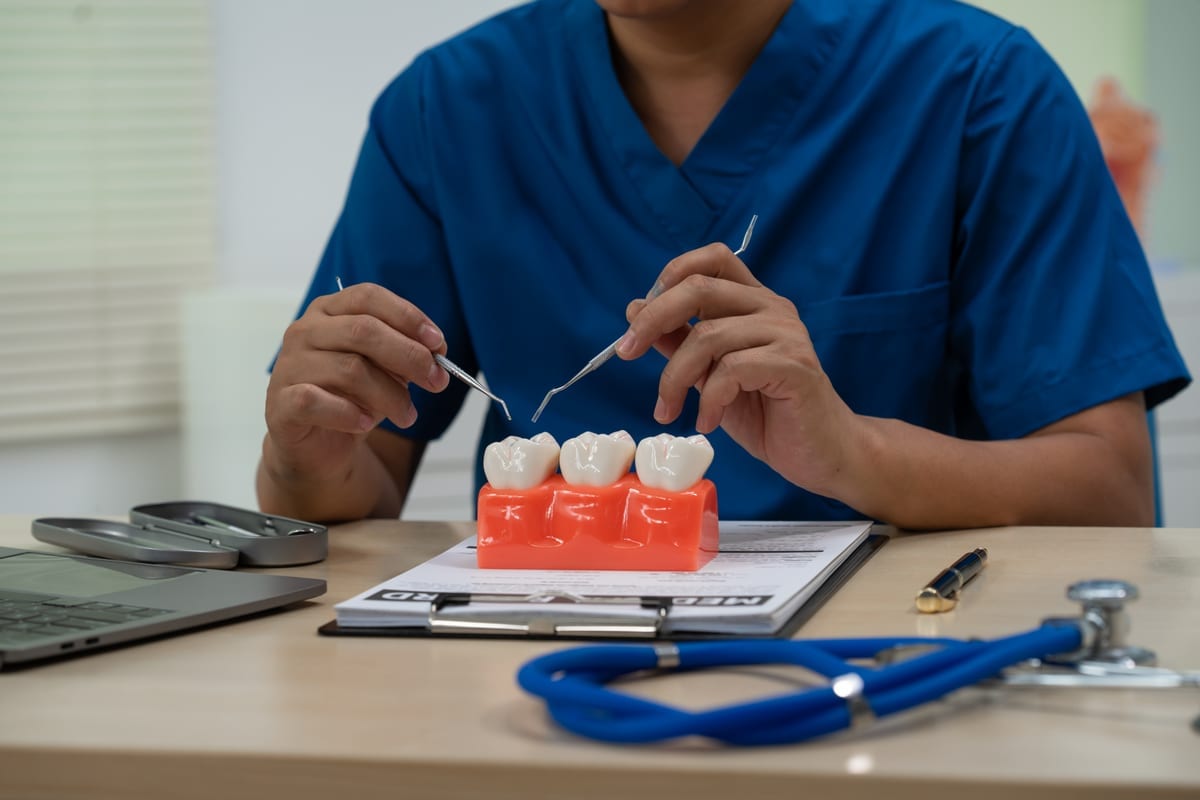
Getting a dental crown is a common procedure at Omni Dental McMurray. Before your permanent crown is ready, you’ll wear a temporary one. Understanding your temporary crown — what to expect until your permanent one arrives in McMurray — makes the process much smoother. This guide walks you through everything you need to know during this in-between phase.
Temporary crowns serve an important purpose. They protect your prepared tooth and hold your bite in place. However, they require a little extra care compared to your natural teeth or a permanent restoration.
What Is a Temporary Crown and Why Do You Need One?
When Dr. Justin Hanlon prepares your tooth for a permanent crown, the tooth is shaped and resized. This leaves it exposed and vulnerable. A temporary crown acts as a protective cover while the dental lab crafts your custom permanent crown.
Temporary crowns are usually made from acrylic or composite resin. They are not as strong or durable as your final restoration. They are cemented with a weaker adhesive so they can be easily removed at your follow-up appointment.
Most patients in McMurray wait one to three weeks for their permanent crown to be completed. During that time, the temporary crown keeps your tooth safe and maintains your smile’s appearance. Knowing how to care for it properly will help you avoid complications.
What to Eat (and Avoid) While Wearing Your Temporary Crown in McMurray
Your diet plays a big role in keeping your temporary crown in place. The weaker cement holding it can be dislodged by certain foods. Sticking to soft, easy-to-chew options is the safest approach.
Foods to enjoy during this phase:
- Soft cooked vegetables and mashed potatoes
- Pasta, rice, and soft grains
- Yogurt, smoothies, and soft fruits
- Eggs prepared any soft way
- Fish and tender cooked chicken
Foods to avoid while wearing your temporary crown:
- Sticky candies, caramel, and chewing gum
- Hard foods like raw carrots, nuts, and crusty bread
- Chewy meats like steak or beef jerky
- Ice chewing or hard candy
- Very hot or very cold beverages if you feel sensitivity
Try chewing on the opposite side of your mouth when possible. This simple habit reduces direct pressure on the temporary crown. It takes just a little mindfulness to protect your tooth during this short waiting period.
How to Keep Your Temporary Crown Clean
Good oral hygiene is still essential while wearing a temporary crown. However, you do need to adjust a few habits slightly. Cleaning carefully will protect both the crown and the underlying tooth.
Continue brushing your teeth twice a day as normal. Use a soft-bristled toothbrush and gentle pressure around the temporary crown. Avoid scrubbing aggressively on or around it.
Flossing requires a small modification. Instead of snapping floss up and down, slide it gently out to the side. Pulling upward near the crown could dislodge it from the weak temporary cement.
Rinsing with an antiseptic mouthwash is a helpful addition. It reduces bacteria around the gumline without putting mechanical stress on the crown. Ask Dr. Hanlon if you have any questions about your specific oral hygiene routine during this phase.
What To Do If Your Temporary Crown Falls Off
A temporary crown falling off is more common than most patients expect. Because the cement is intentionally weak, it can happen. Don’t panic — this is manageable and usually not an emergency.
Here is what to do if your temporary crown comes loose or falls off:
- Keep the crown safe. Place it in a small container or bag so it isn’t lost.
- Rinse your mouth gently. Use warm water to clean the area.
- Avoid eating on that side. The exposed tooth is sensitive and vulnerable.
- Call Omni Dental McMurray right away. The team will get you in quickly to re-cement the crown.
- Use temporary dental cement if needed. Over-the-counter dental adhesive from a pharmacy can hold the crown temporarily until your appointment.
Never leave a temporary crown off for more than a day or two. The prepared tooth underneath can shift or become damaged without protection. Prompt attention keeps your treatment on track and prevents discomfort.
How Long Will You Wait for Your Permanent Crown?
Most patients at Omni Dental McMurray receive their permanent crown within one to three weeks. The timeline depends on the dental lab’s process and the type of crown being made. Dr. Hanlon will give you a specific estimate at your first appointment.
During your wait, it’s normal to experience mild sensitivity around the temporary crown. Hot and cold foods may cause brief discomfort. This typically resolves once your permanent crown is placed.
If you notice significant pain, swelling, or if the temporary crown breaks — not just loosens — contact the office right away. These signs may indicate something that needs prompt attention before your scheduled follow-up.
When your permanent crown is ready, the appointment is straightforward. Dr. Hanlon will remove the temporary crown, clean the tooth, and cement your final restoration securely in place. Most patients are amazed at how comfortable and natural the permanent crown feels compared to the temporary one.
Conclusion: Navigating Your Temporary Crown Phase With Confidence
Wearing a temporary crown is a short but important step in restoring your smile. With the right care, you can protect your tooth, maintain comfort, and arrive at your final appointment without any setbacks. The team at Omni Dental McMurray is always here to answer questions along the way. Book Now to schedule your appointment with our team.
Frequently Asked Questions
How long does a temporary crown last before the permanent one is placed?
Most temporary crowns are designed to last two to three weeks. They are not built for long-term use. If your permanent crown is delayed for any reason, contact Omni Dental McMurray so the team can monitor your temporary crown’s condition.
Is it normal to feel sensitivity with a temporary crown?
Yes, mild sensitivity to hot and cold is very common with a temporary crown. The tooth has been reshaped and the temporary material is thinner than a permanent crown. Sensitivity usually improves significantly once your permanent crown is placed.
Can I brush and floss normally with a temporary crown?
Brushing is fine with gentle pressure using a soft-bristled toothbrush. Flossing requires a slight modification — slide the floss out sideways rather than snapping it upward. This prevents dislodging the temporary crown from its weak cement.
What should I do if my temporary crown feels loose but hasn’t fallen off?
A loose temporary crown should be addressed quickly. Call Omni Dental McMurray as soon as you notice movement or instability. The team can re-cement it before it falls off completely, which helps protect the tooth underneath.
Will getting my permanent crown placed hurt?
The placement of a permanent crown is generally very comfortable. Dr. Hanlon will remove the temporary crown gently and clean the tooth surface. Local anesthetic may be used if needed. Most patients report little to no discomfort during this final step.